can you take paracetamol with diclofenac Stephen curry won't make expected golden state warriors return on march
Paracetamol on an Empty Stomach Paracetamol, also known as acetaminophen, is a common over-the-counter medication that is used to relieve mild to moderate pain and reduce fever. It is one of the most widely used pain relievers in the world, and is commonly found in many households. However, one question that many people have is whether they can take paracetamol on an empty stomach. In this article, we will explore this topic in detail. The first thing to understand is that paracetamol is generally safe to take on an empty stomach. It is rapidly absorbed into the bloodstream and does not require food to be effective. However, some people may experience nausea, vomiting, or stomach pain when taking paracetamol without food. If you find that this is the case for you, it is best to take paracetamol with a small snack or meal. Another important consideration is the dose of paracetamol that you are taking. The maximum recommended dose for adults is 4 grams per day, and it is important not to exceed this amount. Taking more than the recommended dose can lead to liver damage, which can be life-threatening. If you are taking paracetamol on a regular basis, it is important to speak with your healthcare provider to ensure that you are not exceeding the recommended dose. Finally, it is also important to be aware of any other medications that you are taking, as they may interact with paracetamol. For example, taking paracetamol with certain antibiotics or epilepsy medications can increase the risk of liver damage. It is important to speak with your healthcare provider or pharmacist before taking any new medications, including over-the-counter pain relievers like paracetamol. In summary, while it is generally safe to take paracetamol on an empty stomach, some people may experience stomach upset when taking it without food. If you find that this is the case for you, it is best to take paracetamol with a small snack or meal. It is also important to be aware of the maximum recommended dose and to avoid taking more than this amount. Finally, be sure to check with your healthcare provider or pharmacist if you are taking any other medications to ensure that there are no interactions with paracetamol. Diclofenac Usage, Dosage, Side Effects and Interaction Diclofenac is a nonsteroidal anti-inflammatory drug (NSAID) that is used to relieve pain, inflammation, and fever. Like paracetamol, it is commonly found in many households and is available over-the-counter without a prescription. However, it is important to be aware of the proper usage, dosage, side effects, and interactions of diclofenac before taking it. The first thing to understand is that diclofenac is available in several forms, including tablets, capsules, and topical gels. The appropriate form and dosage of diclofenac will depend on the condition being treated and the individual patient. It is important to follow the instructions provided by your healthcare provider or the instructions on the package label. When taking diclofenac, it is important to be aware of the potential side effects. Common side effects include stomach upset, nausea, headache, and dizziness. More serious side effects, such as liver or kidney damage, can occur but are rare. If you experience any side effects while taking diclofenac, it is important to speak with your healthcare provider. Another important consideration is the potential for diclofenac to interact with other medications. For example, taking diclofenac with other NSAIDs can increase the risk of stomach bleeding, while taking it with certain blood thinners can increase the risk of bleeding elsewhere in the body. It is important to speak with your healthcare provider or pharmacist before taking any new medications, including over-the-counter pain relievers like diclofenac. In summary, diclofenac is a commonly used pain reliever that comes in several forms and can be used to treat a variety of conditions. When taking diclofenac, it is important to follow the instructions provided by your healthcare provider or the package label, and to be aware of potential side effects and interactions with other medications. If you have any questions about diclofenac or its usage, be sure to speak with your healthcare provider or pharmacist.
If you are looking for Diclofenac Usage, Dosage, Side Effects and Interaction | New Health Advisor you’ve came to the right web. We have 5 Pics about Diclofenac Usage, Dosage, Side Effects and Interaction | New Health Advisor like Can you take paracetamol on an empty stomach? | The US Sun, Can you take Paracetamol when pregnant? - Know important facts and myths and also Can you take Paracetamol when pregnant? - Know important facts and myths. Read more:
Diclofenac Usage, Dosage, Side Effects And Interaction | New Health Advisor
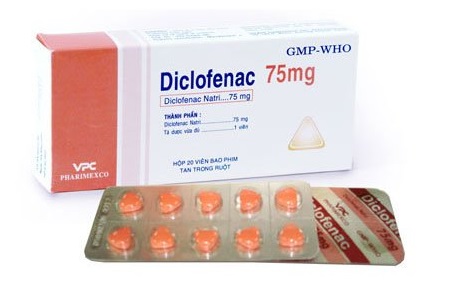 www.md-health.comdiclofenac sr voltaren name health viron dosage effects side brand md intra lab version usage reviews rxstars interaction biz pills
Can You Take Paracetamol When Pregnant? | Peanut
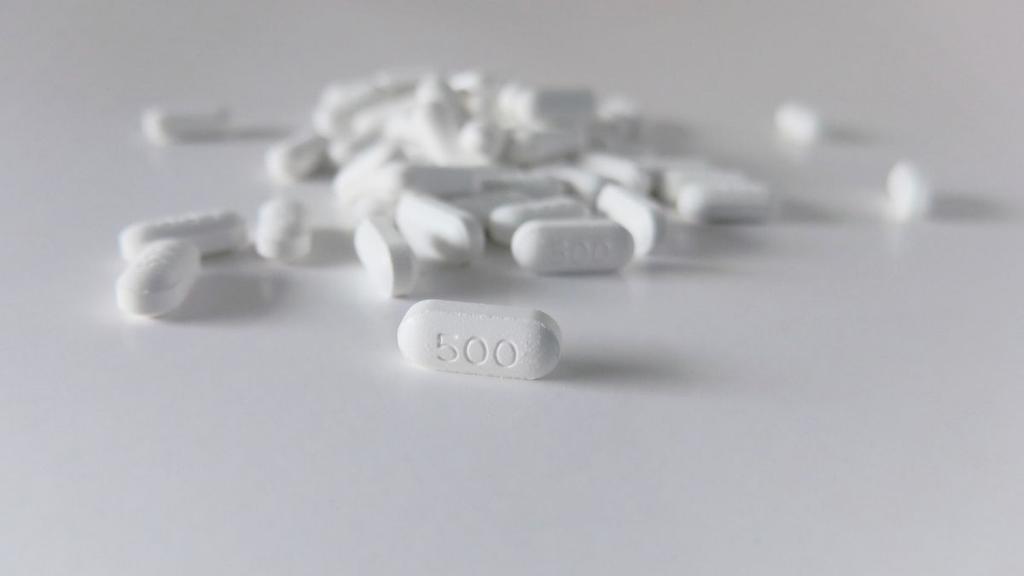 www.peanut-app.ioCan You Take Paracetamol On An Empty Stomach? | The US Sun
 www.the-sun.comStephen Curry Won’t Make Expected Golden State Warriors Return On March
 vier-vier-zwei.comstephen vier
Can You Take Paracetamol When Pregnant? - Know Important Facts And Myths
 www.colossalumbrella.comStephen curry won’t make expected golden state warriors return on march. Stephen vier. Can you take paracetamol when pregnant?