do antibiotics kill yeast infections Do antibiotics cause yeast infections?
In today’s world, antibiotics are one of the most commonly prescribed medications. They are used to kill or stop the growth of bacteria, therefore treating a wide range of bacterial infections ranging from minor ones like ear infections to severe ones like pneumonia. While antibiotics are a powerful tool in fighting infections, they should be used with caution and under the supervision of a medical professional. Understanding Antibiotics Antibiotics are specific medications designed to target and kill bacteria. They work by interfering with one or more vital processes of bacteria, rendering them unable to reproduce or continue growing. This process, however, is not selective, meaning that good bacteria are also targeted, leading to a variety of side effects. It is important to understand that antibiotics only work against bacteria and not viruses like the flu and common cold. Types of Antibiotics There are numerous types of antibiotics, each designed to target different types of bacteria. Some of the most commonly prescribed antibiotics include penicillin, macrolides, cephalosporins, and fluoroquinolones. A healthcare professional will choose the type of antibiotic that is most effective based on the type of bacterial infection present. Antibiotic Resistance Overuse or misuse of antibiotics can lead to antibiotic resistance, which is when bacteria develop mechanisms that make them resistant to antibiotics. This resistance can make infections much more difficult to treat, creating a higher risk of complications, increasing healthcare costs and extending hospital stay durations. To prevent this from happening, antibiotics should only be used when they are necessary, and the full course of the prescription should always be completed. Side Effects As mentioned previously, antibiotics can have side effects, ranging from mild to severe. Some of the most common side effects are nausea, diarrhea, and yeast infections. However, there can also be more severe side effects like anaphylaxis, a severe allergic reaction that can be life-threatening. If you experience any severe side effects, it is important to seek medical attention immediately. In conclusion, while antibiotics can be very effective in treating bacterial infections, they should only be used when necessary and under the supervision of a medical professional. Overuse or misuse of antibiotics can lead to antibiotic resistance, which can make treating infections much more challenging. Understanding the types of antibiotics, their side effects, and proper usage can help prevent complications and promote effective treatment.
If you are looking for Why Do Antibiotics Cause Yeast Infections | Yeast infection, Yeast you’ve came to the right page. We have 5 Pics about Why Do Antibiotics Cause Yeast Infections | Yeast infection, Yeast like Why Do Antibiotics Cause Yeast Infections | Yeast infection, Yeast, Do Antibiotics Cause Yeast Infections? - YouTube and also Antibiotics Stock Photo - Image: 43425057. Here you go:
Why Do Antibiotics Cause Yeast Infections | Yeast Infection, Yeast
 www.pinterest.comyeast antibiotics infections infection candida beatcandida
Do Antibiotics Cause Yeast Infections? - YouTube
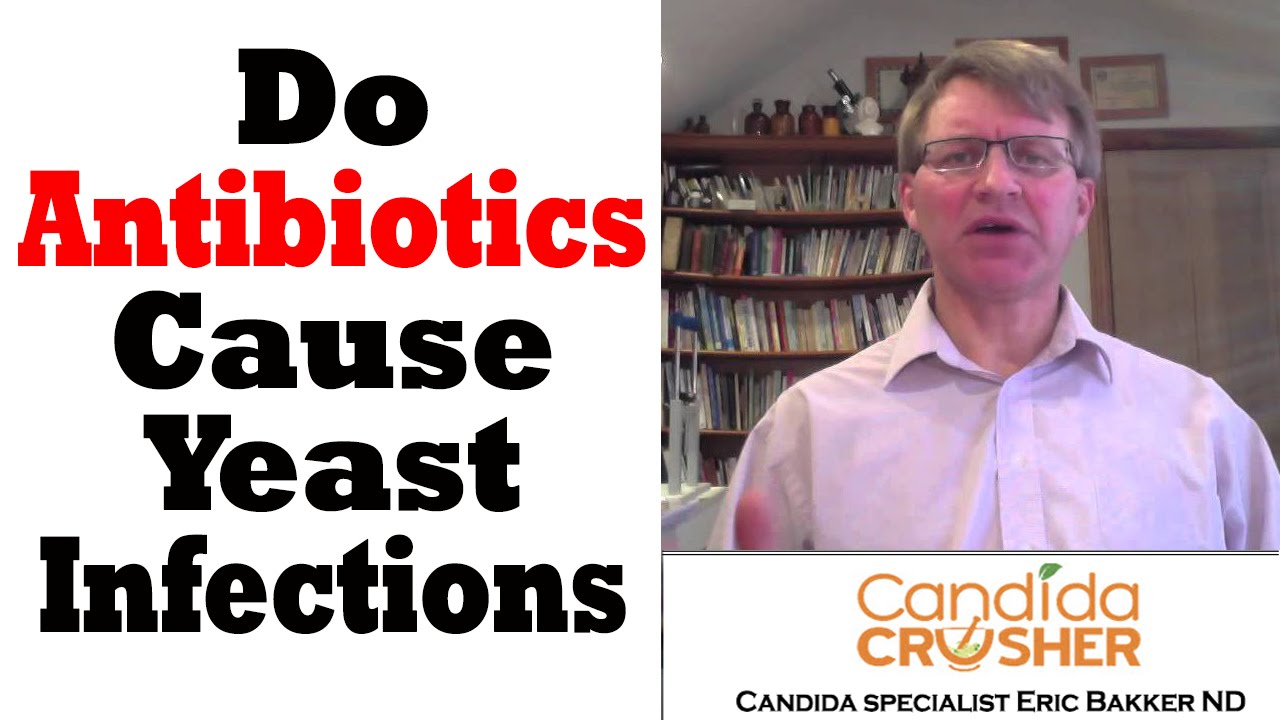 www.youtube.comyeast antibiotics
Antibiotics Stock Photo - Image: 43425057
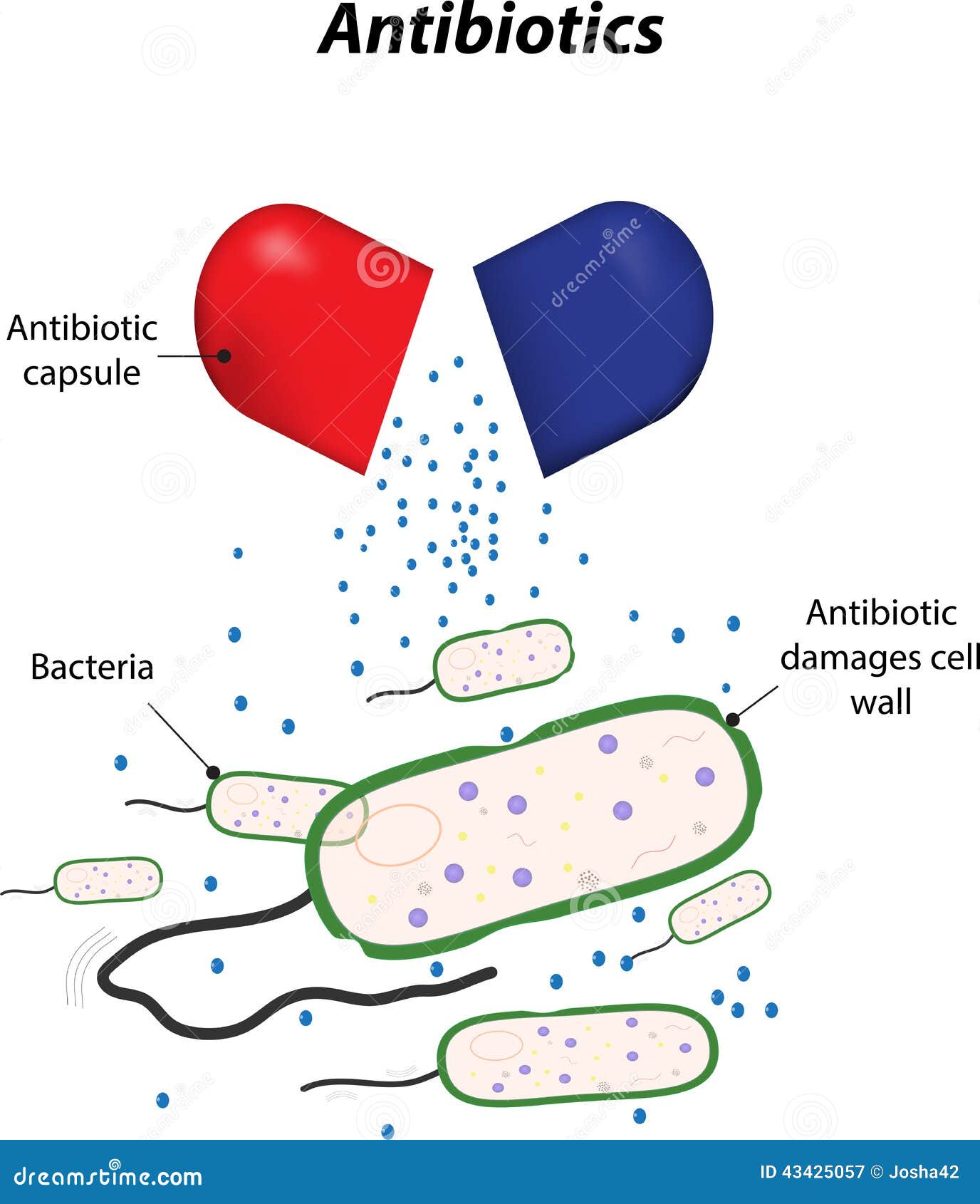 www.dreamstime.comantibiotics bacteria kill preview
Many Women Suffer From Fungal Infections And They Can Cure Them At Home
 www.pinterest.comfungal yeast infections medication pregnancy beautyalsohealthy
Antibiotic Resistance: The Facts - NPS MedicineWise
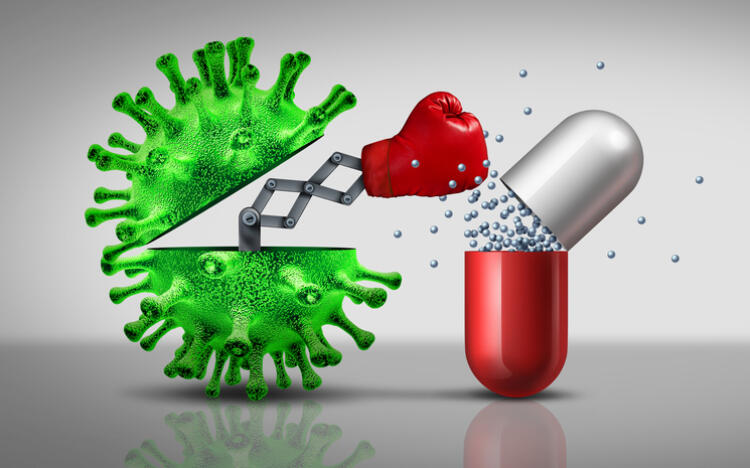 www.nps.org.auantibiotic antibiotics nps misconceptions
Antibiotic antibiotics nps misconceptions. Do antibiotics cause yeast infections?. Why do antibiotics cause yeast infections